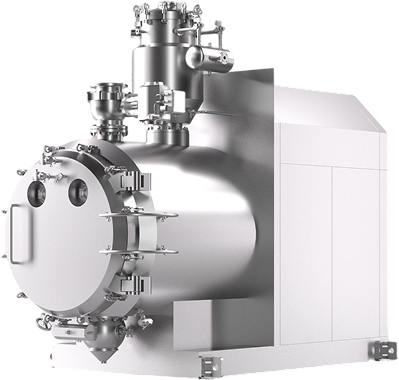
Key Features & Working Principles
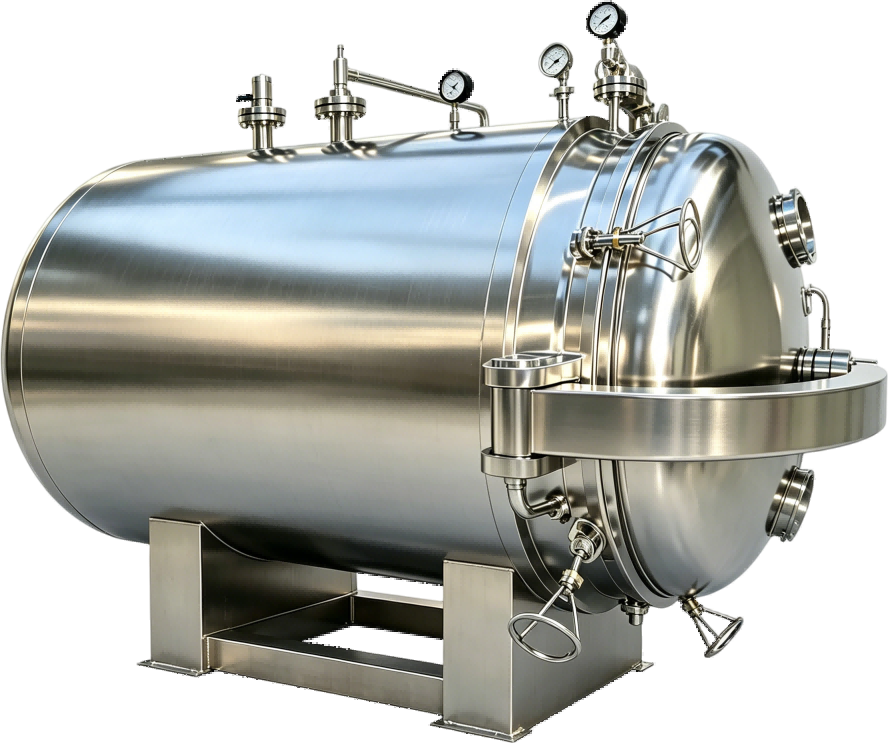
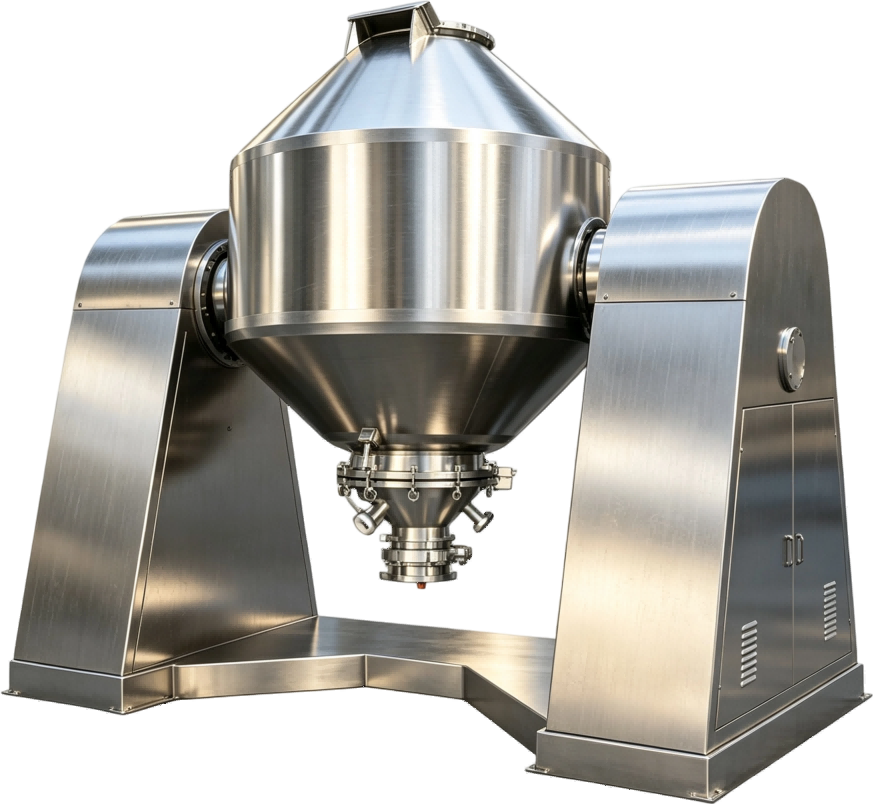
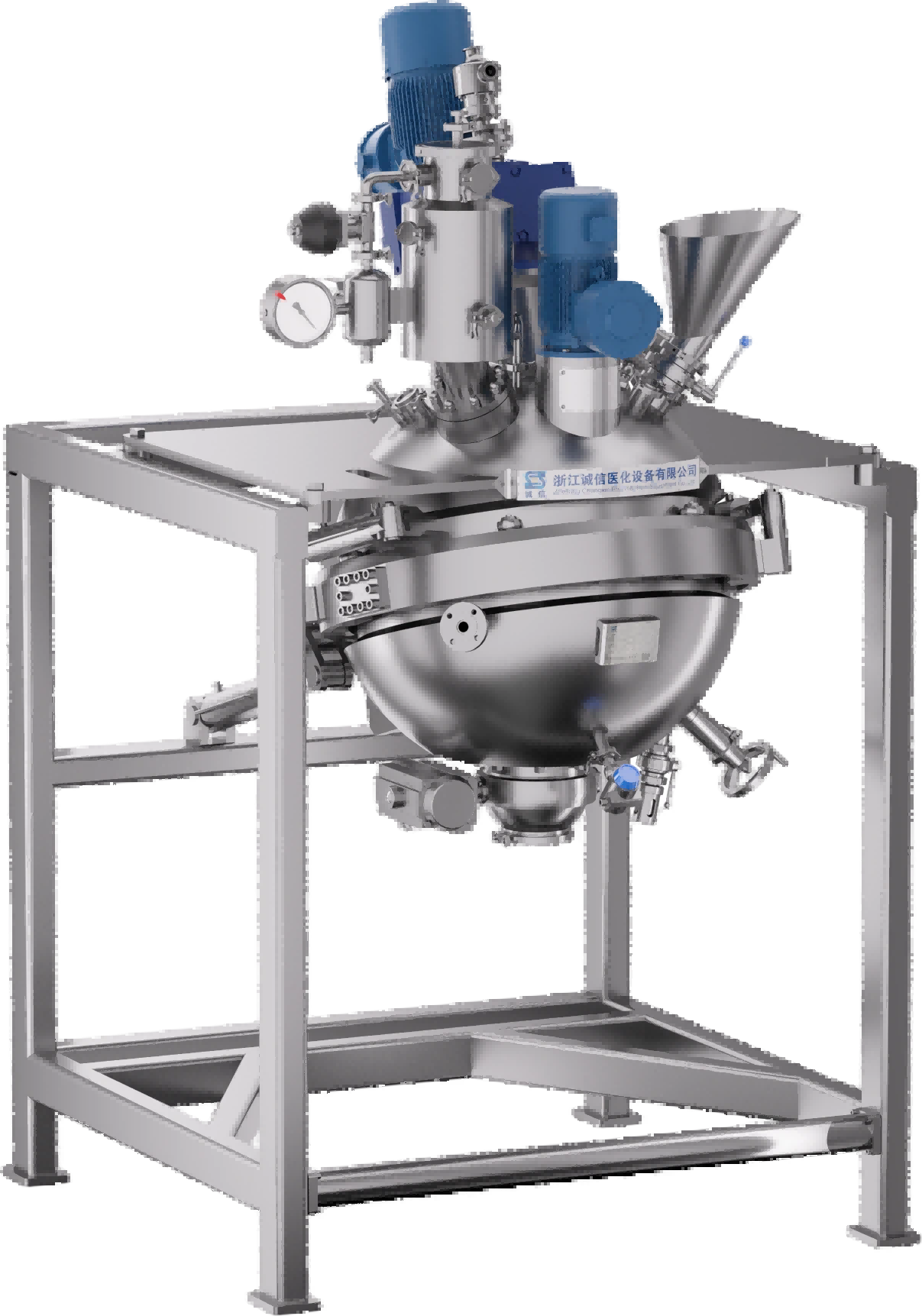
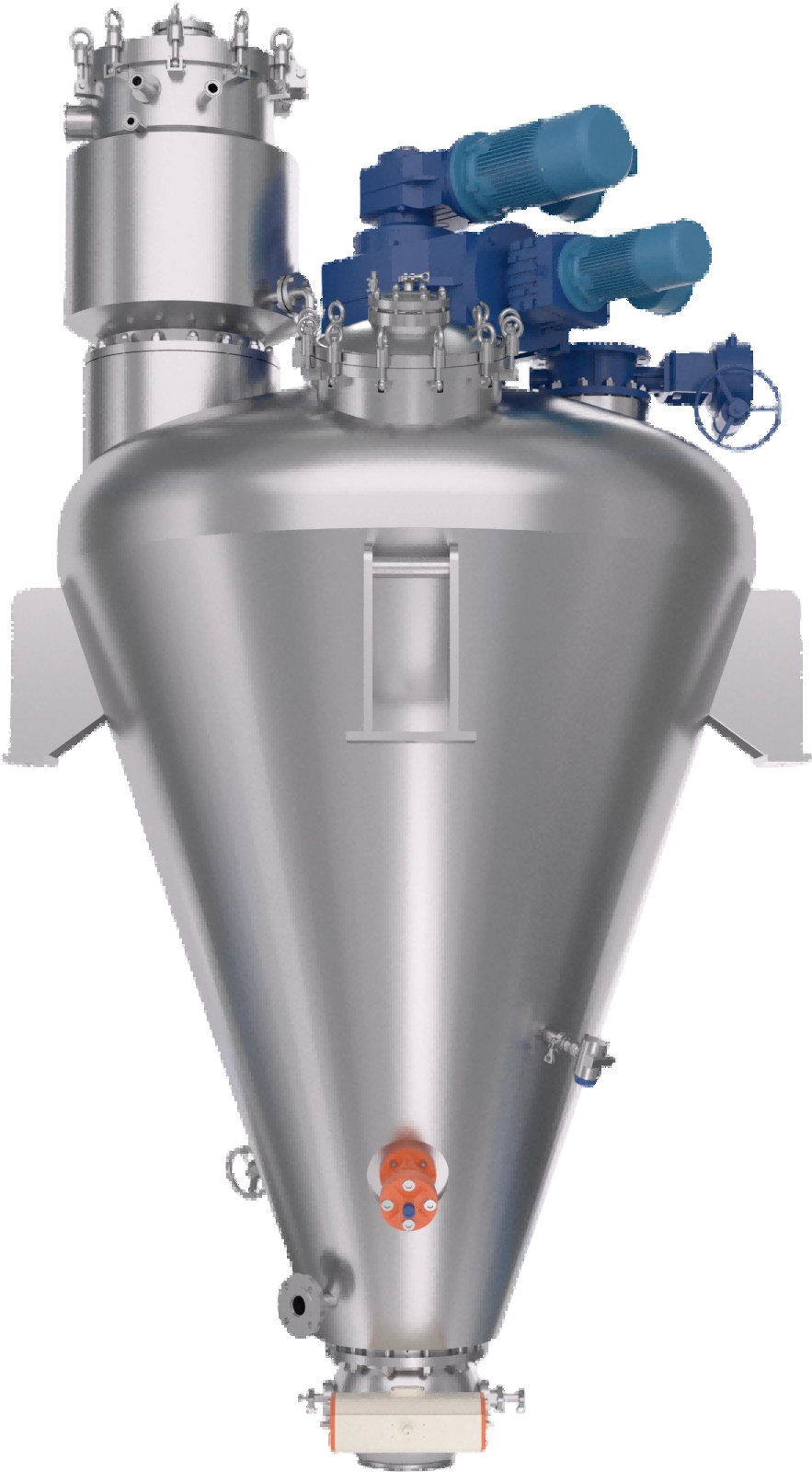
- Principles of Drying — The paddle-type vacuum dryer uses heat transfer via a heat-transfer medium for heating and relies on a high-vacuum environment to remove water vapor and solvents. It is suitable for materials that are not heat-resistant, prone to oxidation, prone to dusting, or require solvent recovery.
- Vacuum Feeding — The material is fed in from the top via a vacuum system, and paddle agitation continuously renews the heat transfer surface. The material is dehydrated through indirect heating using steam, hot water, or hot oil; the high vacuum creates a pressure differential that accelerates water evaporation, resulting in high drying efficiency.
- Online Cleaning — The collector is available in both bag filter and sintered mesh configurations. It features a reverse-blow function to prevent material waste and supports online cleaning and filter cartridge removal without the need to disconnect the vacuum lines.
Applications
This equipment is suitable for process operations in sealed, controlled environments, such as in the pharmaceutical and chemical industries, as well as for additives and extracts that are unstable when exposed to air or high temperatures. It is particularly well-suited for powdered materials, granular mixtures, and viscous fluids that require high levels of hygiene. Chemical Industry Pharmaceutical Industry
Product Structure
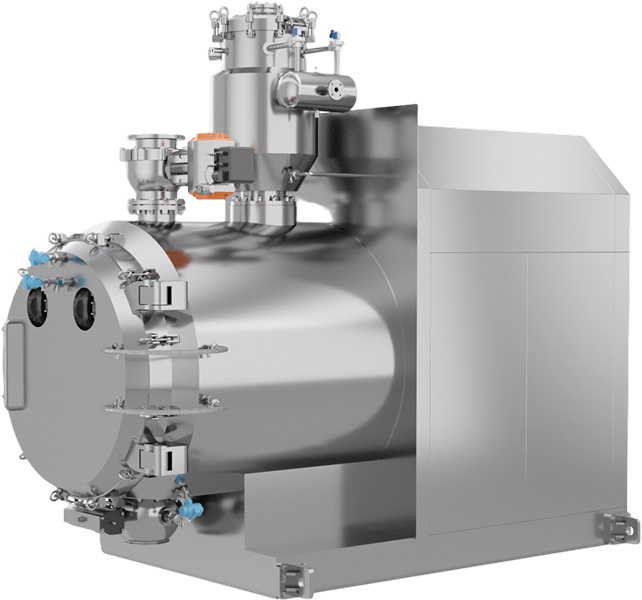
- Transmission System — The gearbox is mounted at the rear and features a partition, making it suitable for cleanrooms. The motor and gearbox are equipped with stainless steel guards, and the base is weighted for stability, eliminating the need for additional mounting. The power is transmitted through the gearbox to drive the impeller and the cylinder at a constant speed.
- Dryer Housing — The dryer consists of an outer casing, an insulation layer, and an inner chamber. The space between the outer casing and the insulation layer is filled with aluminosilicate boards to provide thermal insulation; hot water or heat transfer oil is circulated between the insulation layer and the inner chamber to provide heating; the polished stainless steel inner chamber facilitates cleaning while enhancing heat transfer and increasing the drying speed.
- Electrical Control Unit — The control cabinet is equipped with electrical controls, pushbuttons, and indicator lights; operate it according to the instructions on the panel.
- Trap — The multi-core design allows for quick and easy replacement, enabling convenient online cleaning and backflushing.
- Discharge Valve Assembly — Customizable design, equipped with a bellows protection device, offering excellent sealing performance and simple, efficient operation.
Optional Features
- Custom Materials
- Surface Finishes
- Upgraded Configurations
Technical Specifications
| Specification | Power | Inner Cavity Diameter | Length | Width | Height | Overall Length with Door Open |
|---|---|---|---|---|---|---|
| VPD-5000 | 55kW | Φ1750 | 5350 | 2500 | 4150 | 6000 |
| VPD-4000 | 45kW | Φ1650 | 5150 | 2400 | 3900 | 5750 |
| VPD-3000 | 30kW | Φ1500 | 4900 | 2300 | 3730 | 5350 |
| VPD-2500 | 30kW | Φ1450 | 4780 | 2150 | 3430 | 5050 |
| VPD-2000 | 22kW | Φ1350 | 4660 | 2050 | 3330 | 4950 |
| VPD-1500 | 18.5kW | Φ1200 | 4250 | 1800 | 2930 | 4450 |
| VPD-1000 | 15kW | Φ1050 | 3450 | 1700 | 2530 | 3900 |
| VPD-500 | 7.5kW | Φ850 | 2900 | 1400 | 2230 | 3200 |
| VPD-250 | 4kW | Φ700 | 2480 | 1250 | 1980 | 2800 |